

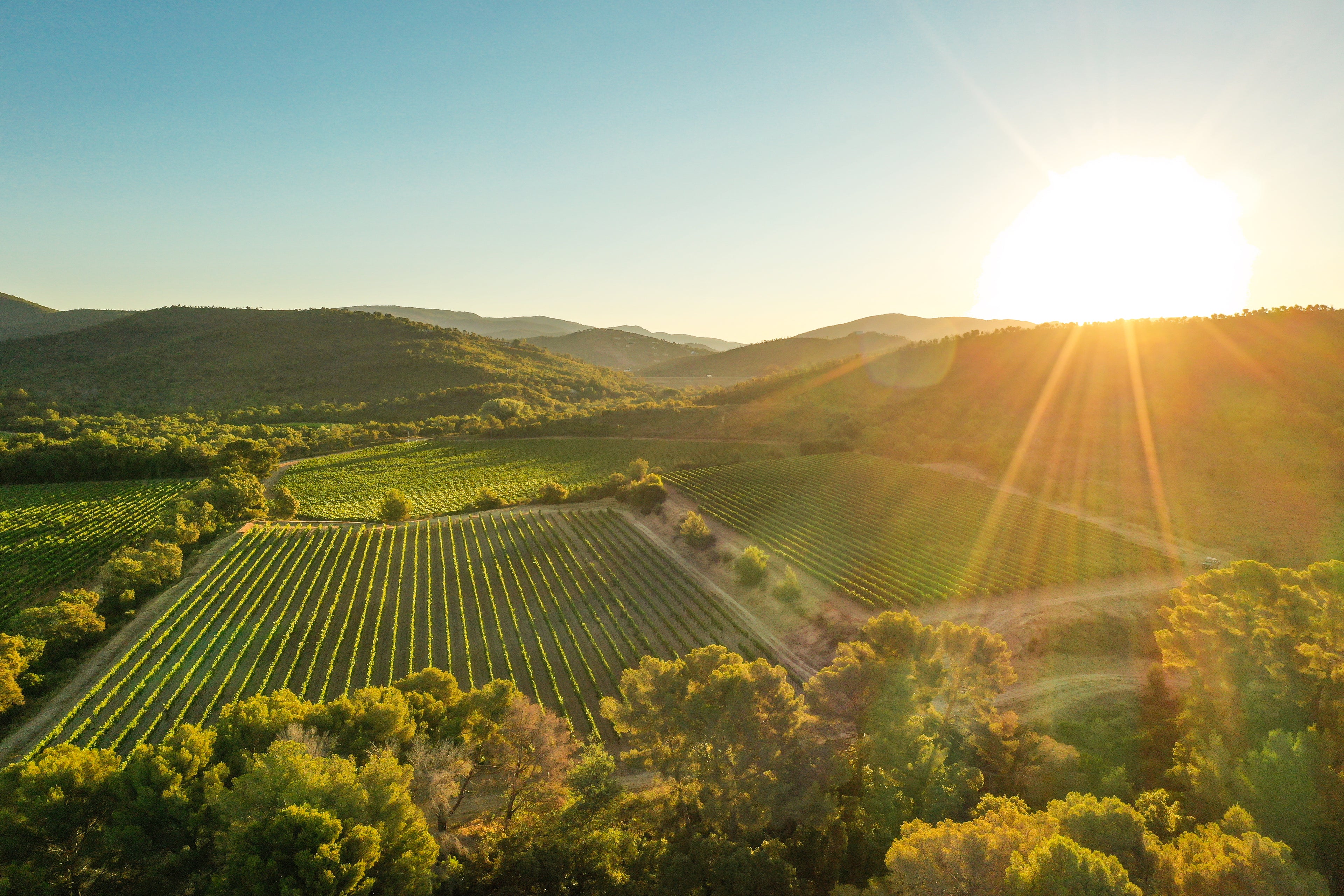
A vineyard bathed in light
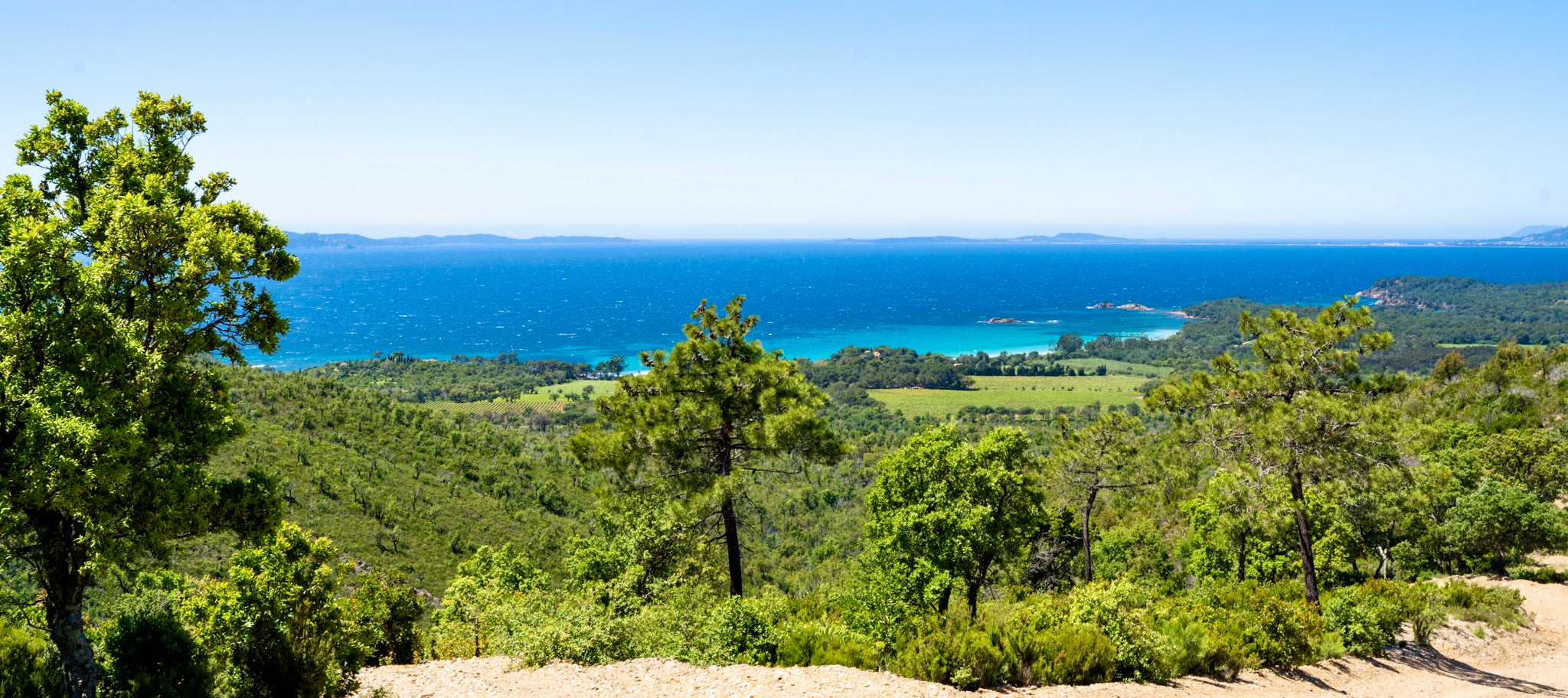
Located in Bormes-les-Mimosas, in the heart of the Côtes de Provence appellation, the Domaine de La Sanglière extends over 42 hectares in one piece, between sea and hills, in a preserved environment, protected by the Conservatoire du Littoral.
Located just 600 meters from the sea, our vineyards benefit from a unique microclimate, ideal for the flourishing of iconic grape varieties.
The Terroir
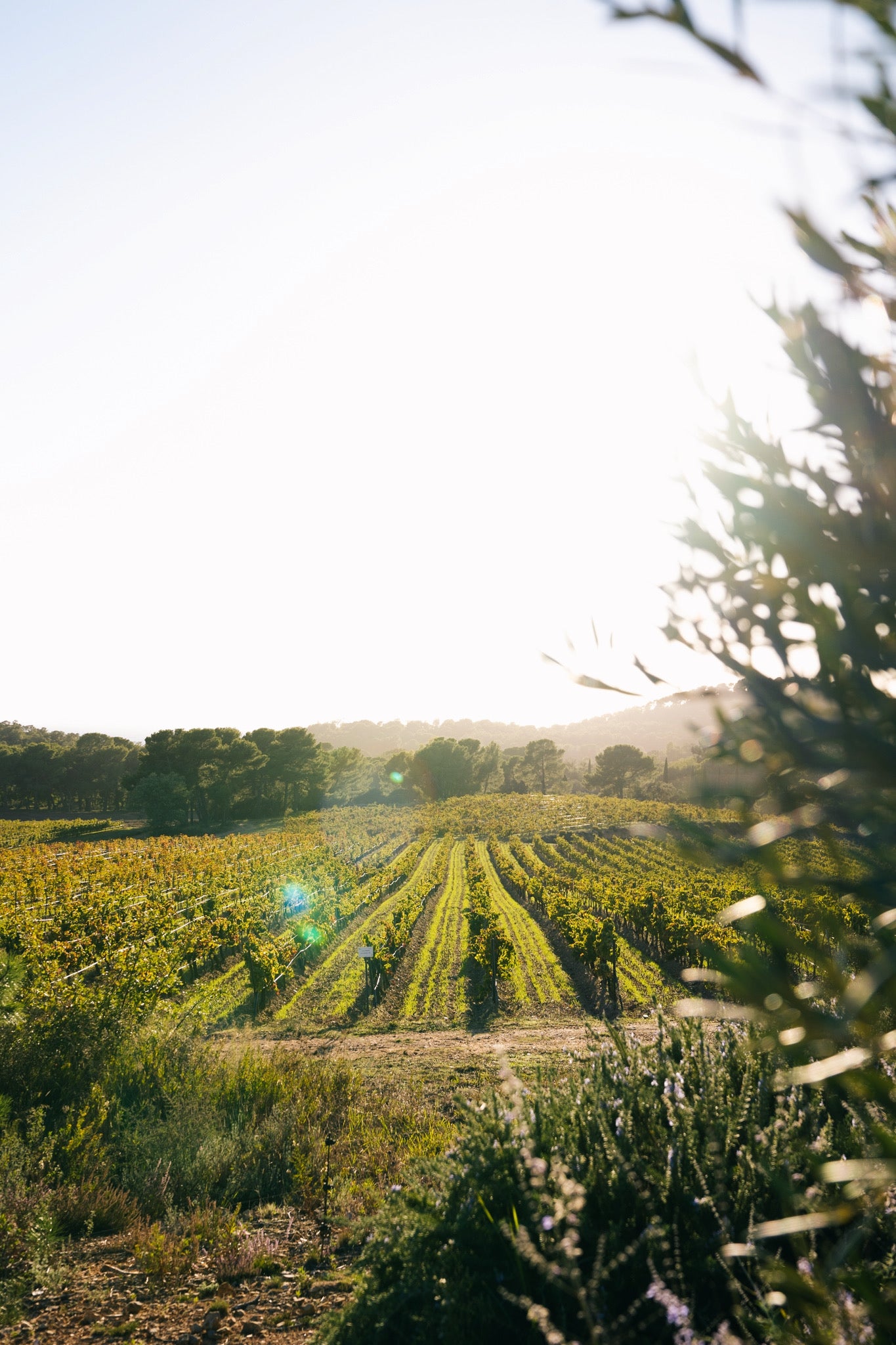
The immediate proximity of the sea gives the estate a unique microclimate:
- Mild winters, limiting the risk of frost
- A moderate summer, despite the Provençal sun.
- More than 300 days of sunshine per year
The mistral, the dry wind emblematic of the South, plays a valuable role: it cools, cleanses the plots, and naturally protects the grapes from humidity-related diseases.
A subtle balance between sea, sun and wind, which forges the identity of La Sanglière wines.
The Soil
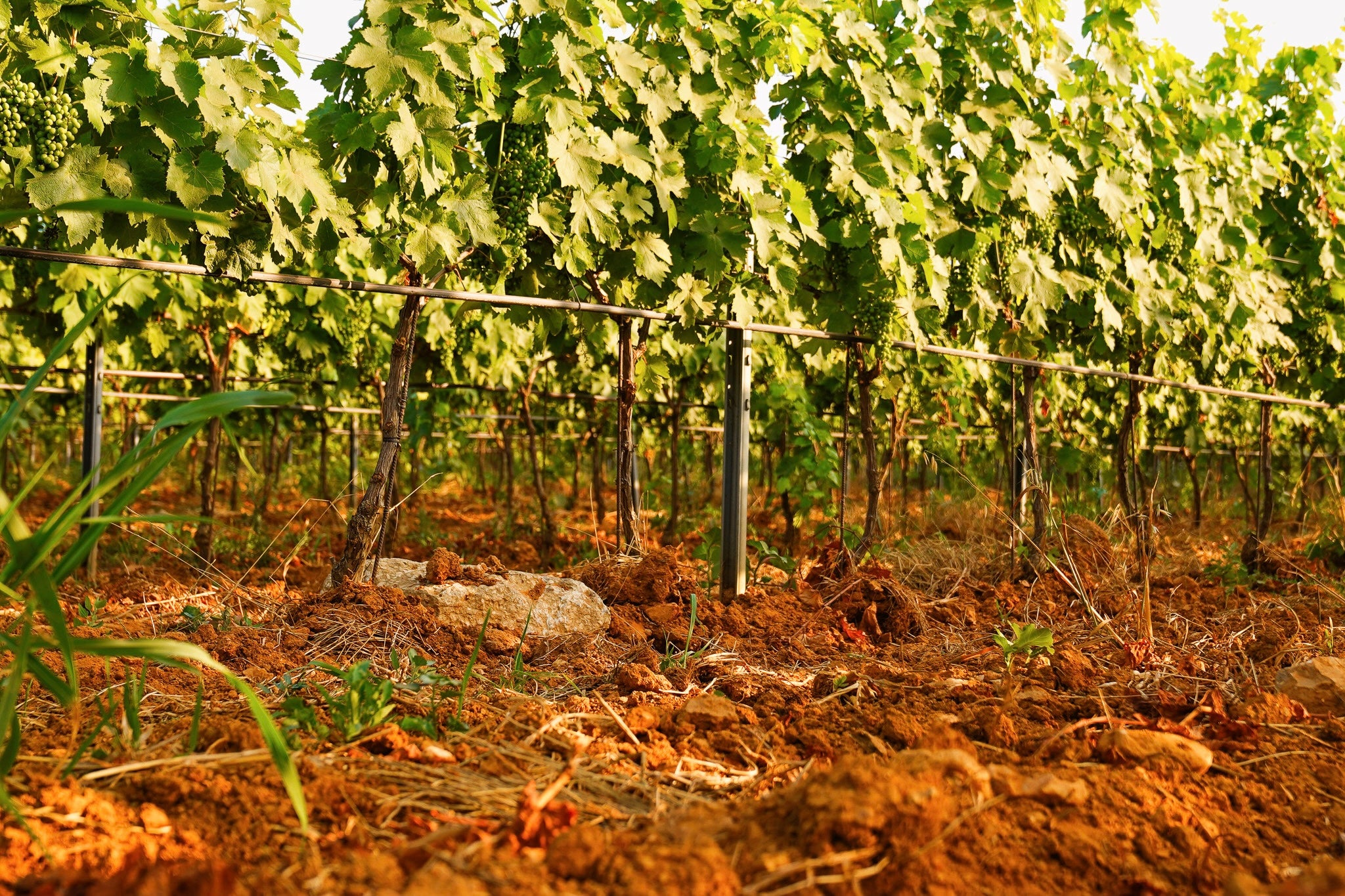
Our vineyard rests on a base of mica schist, a layered rock with rare properties.
This soil retains water deep down and expands with humidity, ensuring natural hydration of the vine.
Much more than a support, it is a true mineral signature.
It gives our wines their tension, their freshness, and that elegant minerality which makes La Sanglière so unique.
SELECTED TYPICAL GRAPE VARIETIES.
-

Grenache
Warmth and generosity
-

CINSAULT
Freshness and finesse
-

ROLLE or VERMENTINO
Floral aromas, structure
-

SYRAH
Violet, black fruits, tension
-

CABERNET SAUVIGNON
Sap and depth
-

CARIGNAN
Typicality and character


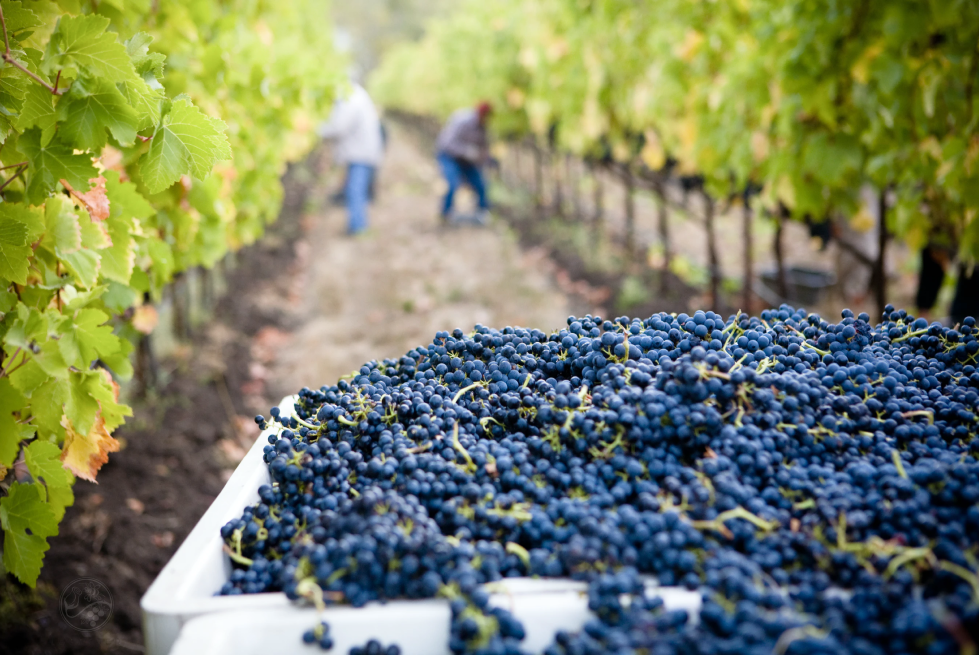
The grape harvest
Every year, starting in mid-August, we analyze our plots:
tasting the berries, measuring the sugar content, acidity, and balance
Everything is evaluated to choose the ideal harvest time.
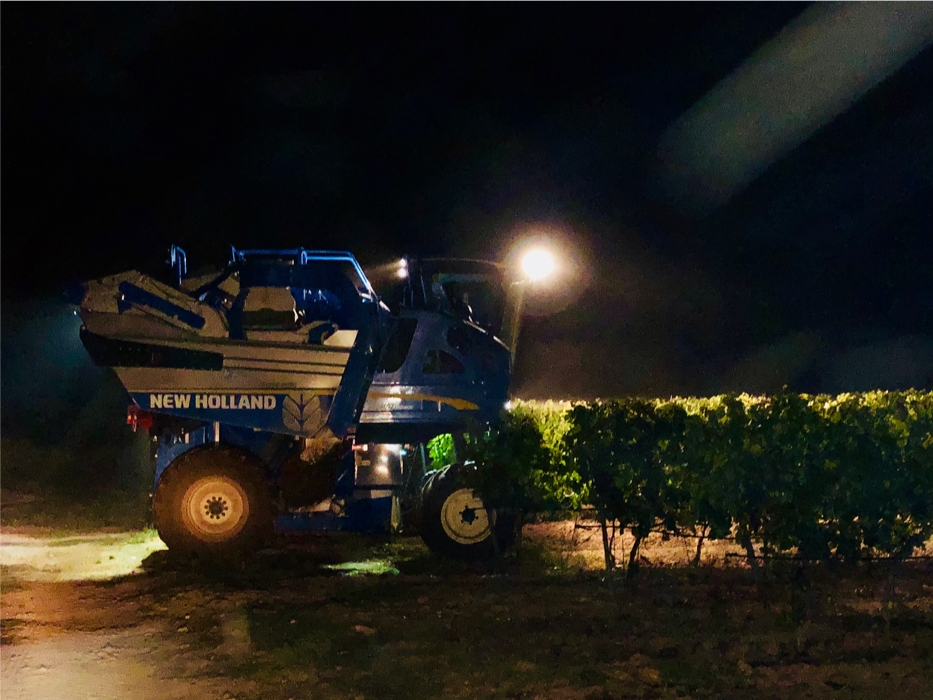
For rosé and white wines:
- Harvested at night to preserve freshness
- Immediate cooling of the grapes to 10°C
- Direct cold pressing
- Fermentation at controlled temperature (17°C) in stainless steel tanks
- Aged on fine lees or in demi-muids for certain white cuvées
Objective: to preserve the delicate aromas, the freshness, and to obtain rosés with an elegant pale color.
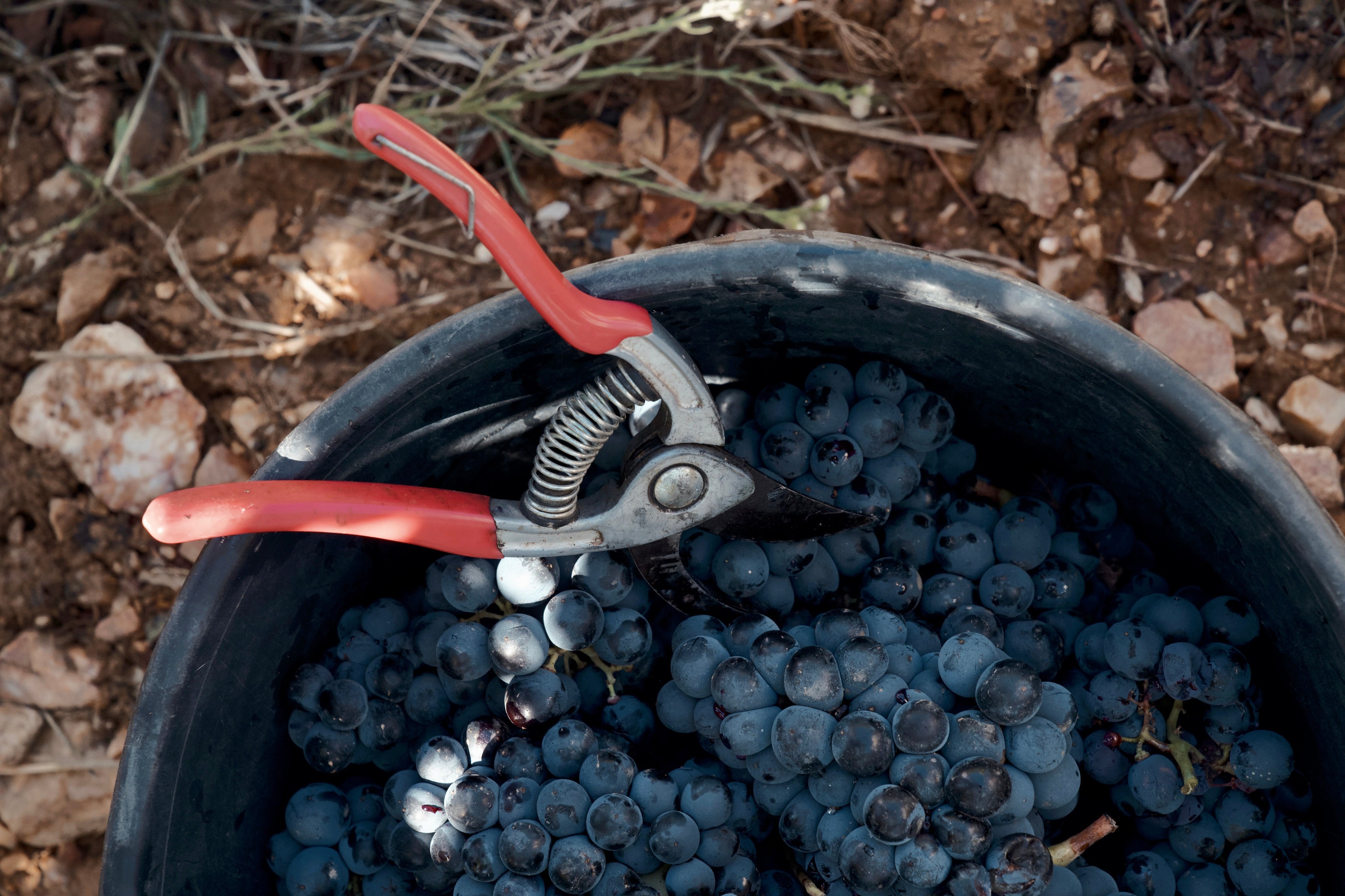
For the reds:
- Hand-harvested in the morning
- Maceration at controlled temperature (25°C) to extract color and aromas
- Prolonged contact between juice and grape skins to structure the wine
- Livestock farming:
→ In stainless steel tanks for fruity reds
→ In 600L demi-muids for 12 months for the wines intended for aging